
- You are here:
- Home »
- Air Fryers »
- Why Food Cooks Unevenly in an Air Fryer
Why Food Cooks Unevenly in an Air Fryer
As an Amazon Associate I earn from qualifying purchases.
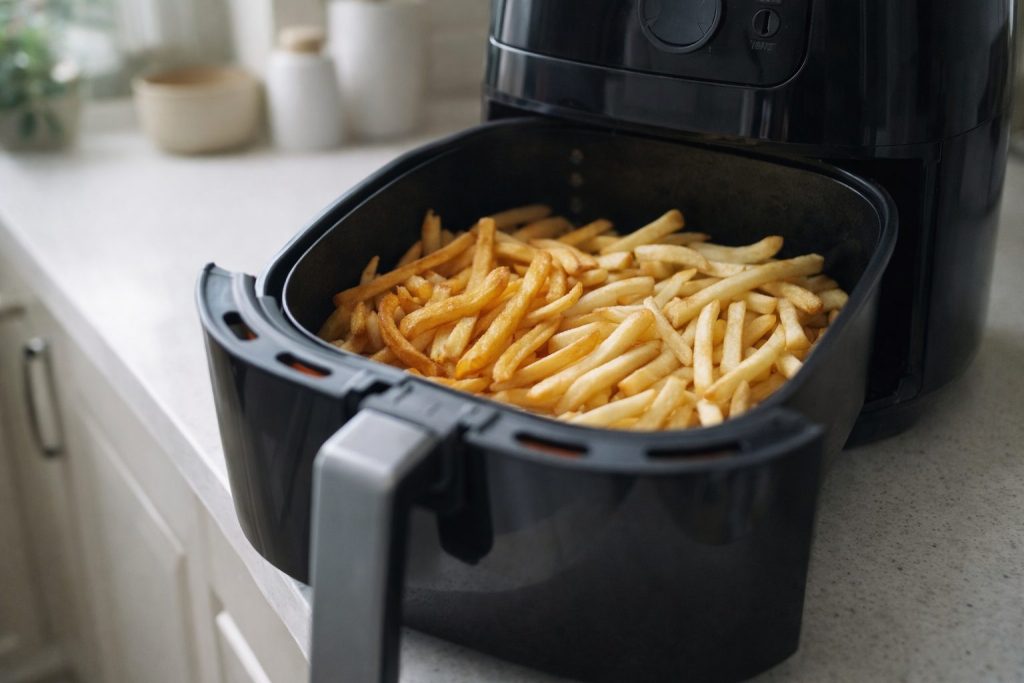
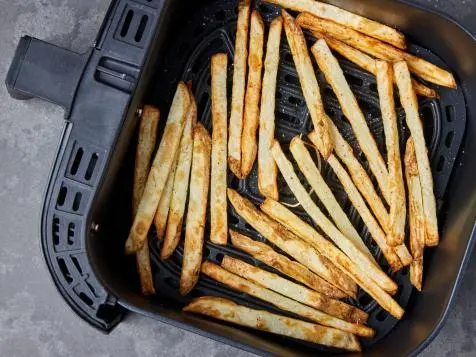
It’s frustrating when food comes out uneven in an air fryer. One side looks crisp and golden, while another section stays pale or slightly undercooked. You adjust the time, shake the basket again, maybe add a few extra minutes — and the results still feel inconsistent.
If your air fryer cooks unevenly, it doesn’t automatically mean something is broken. Air fryers heat from a specific direction and rely heavily on airflow patterns. Small changes in placement, load, or even where the appliance sits can create noticeable differences in browning.
This guide explains why uneven cooking happens, what factors usually cause it, and how to correct the issue without turning every meal into trial and error.
In this guide
- Why Air Fryers Don’t Heat Food Evenly by Default
- Food Placement Is the Biggest Cause of Uneven Cooking
- Basket Size, Load, and Food Density Matter More Than Time
- Recipes Work When They Teach Arrangement, Not Just Time
- Your Countertop Placement Can Create Uneven Results
- When Uneven Cooking Is Not Your Fault
- How to Prevent Uneven Cooking Going Forward
- FAQs
Why Air Fryers Don’t Heat Food Evenly by Default
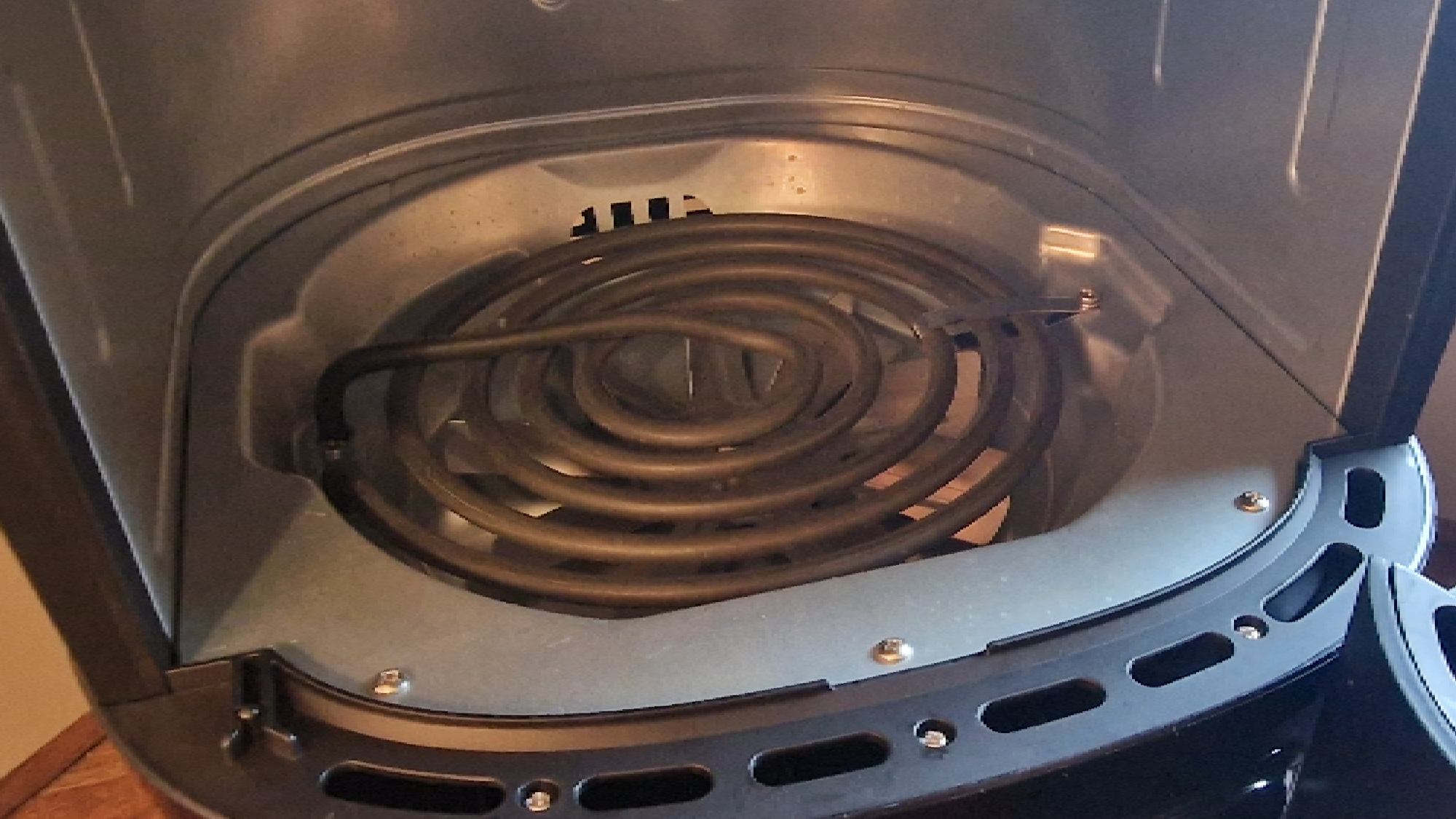
Air fryers are often described as mini convection ovens, but they don’t heat the way a flat oven does. Most models generate heat from the top and push it downward with a fan, which means food is exposed to directional heat rather than evenly distributed radiant heat.
That airflow moves quickly, but it doesn’t move perfectly. Some areas inside the basket receive stronger circulation, while others sit slightly outside the strongest air stream. Over short cook times, those differences can show up as uneven browning.
Air fryers cook with moving heat, not flat heat. Rotating or shaking food once during cooking often corrects natural hot and cool spots.
Even when the heating element is working correctly, air circulation patterns create what are essentially micro hot zones. That’s normal physics, not a defect. Expecting perfectly uniform results without repositioning food sets the bar unrealistically high.
The key takeaway is this: uneven cooking is usually built into the mechanics of how air fryers work. The appliance is not broken — it simply requires food to cooperate with airflow.
Food Placement Is the Biggest Cause of Uneven Cooking
If an air fryer cooks unevenly, food placement is usually the first thing to examine. Air needs space to circulate around each piece, and when items overlap or sit too tightly together, some surfaces never receive direct exposure to hot air.
Edges tend to brown faster because they are exposed on more sides, while center pieces can sit in what is essentially a heat shadow. From the outside it looks random, but the pattern is often predictable once you look at how the food is arranged.
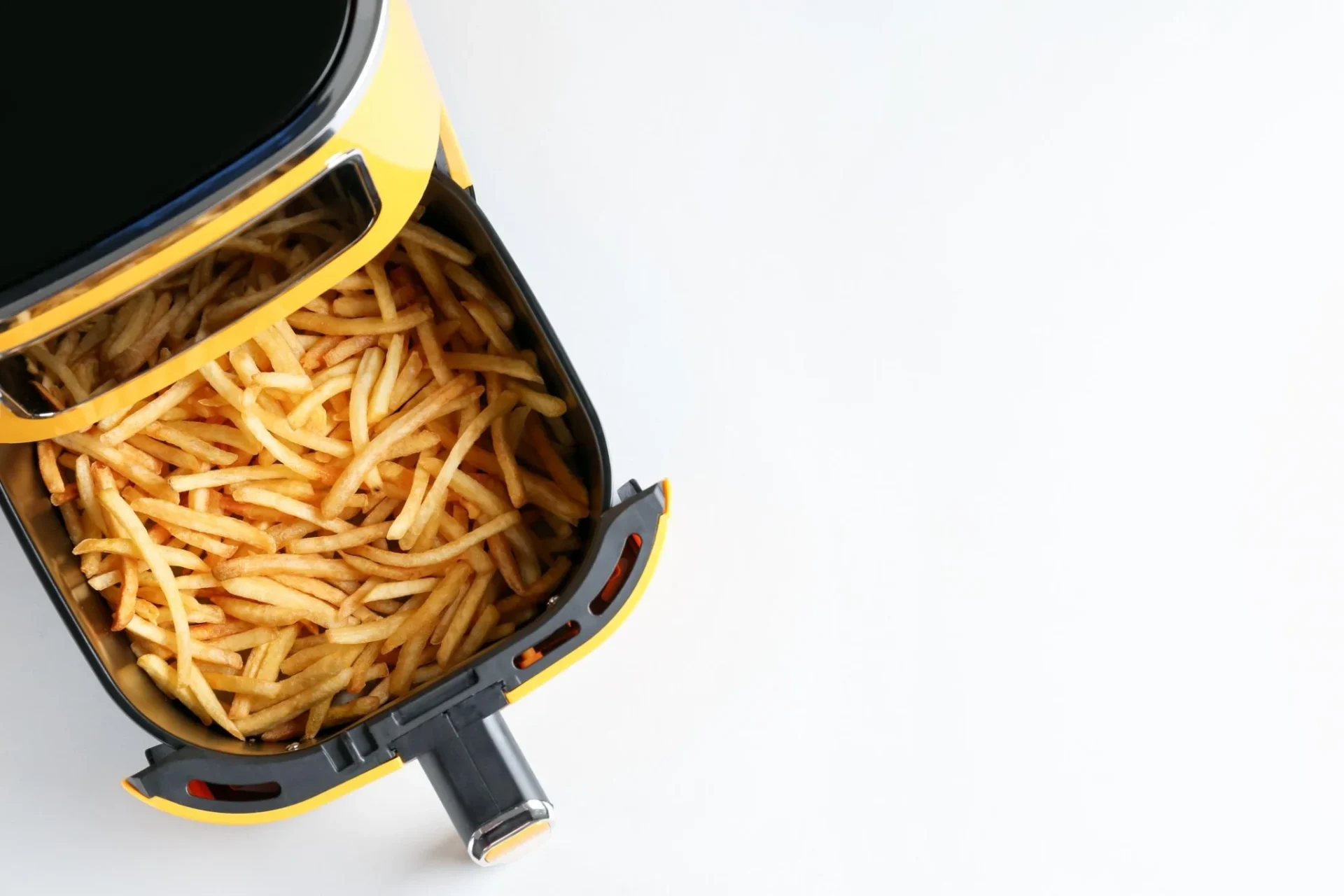
If pieces are touching or stacked, the bottom surfaces may steam instead of crisp. Spacing food out improves results more reliably than adding extra minutes.
Shaking the basket once during cooking helps redistribute pieces into stronger airflow zones. That simple movement often corrects uneven browning more effectively than adjusting temperature.
Before increasing cook time, look at layout. Uneven cooking is frequently a spacing issue, not a timing issue. A detailed breakdown of common technique mistakes is covered in our guide on common air fryer mistakes and how to avoid them.
Basket Size, Load, and Food Density Matter More Than Time
It’s tempting to fix uneven cooking by simply adding more time. That works occasionally, but more often it just exaggerates the difference between browned edges and pale centers. Time does not solve density or airflow problems.
When the basket is filled close to capacity, hot air has to move around more mass. Dense foods like potatoes or thick proteins absorb heat slowly, which can make lighter or thinner pieces brown much faster in comparison.
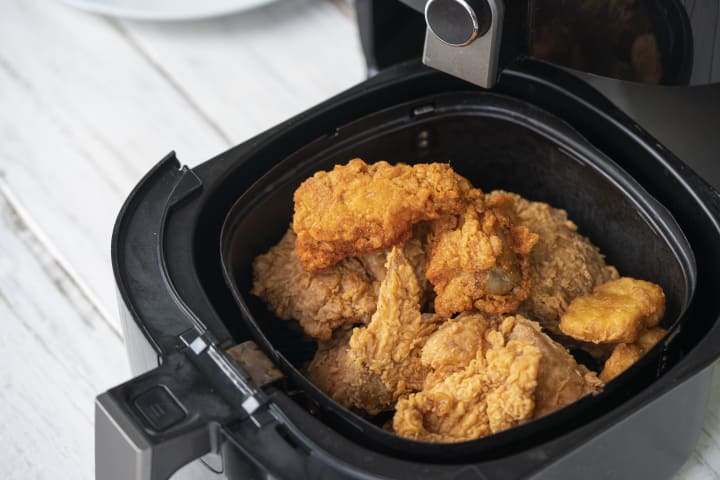
Even something as simple as cutting food into uneven sizes can create inconsistent results. Smaller pieces finish first, while thicker ones lag behind, and extending the cook time often overcompensates.
Instead of relying on extra minutes, adjust the load. Cooking in two smaller batches once usually produces better results than trying to push one overcrowded batch to finish evenly.
Recipes Work When They Teach Arrangement, Not Just Time
Many people notice that food turns out better when following a specific air fryer recipe. That improvement is not always about temperature or timing. It often comes down to how the food is arranged inside the basket.
Good recipes show spacing. They demonstrate how pieces should sit in a single layer, how much room to leave between items, and when to shake or flip. That visual guidance corrects uneven cooking more effectively than adjusting cook time alone.
When instructions are copied without paying attention to layout, results become inconsistent. Minutes and degrees are only part of the equation. Airflow is the other half, and it depends heavily on arrangement.
Recipes succeed because they quietly teach structure. Seeing how food is portioned and positioned helps build habits that prevent hot spots and undercooked centers. If you want practical examples of correct spacing and layout, explore our collection of air fryer recipes you can’t miss, which highlight proper arrangement in real cooking scenarios.
Your Countertop Placement Can Create Uneven Results
Air fryers need space around them to move air properly. While the heat circulates inside the basket, the appliance also pulls in and pushes out air through rear or side vents. If those vents are blocked or too close to a wall, airflow can be disrupted.
When an air fryer is placed tightly against a backsplash, cabinet, or corner, it may recirculate warm exhaust air instead of drawing in fresh air evenly. That small change can subtly shift internal airflow patterns and exaggerate hot spots.
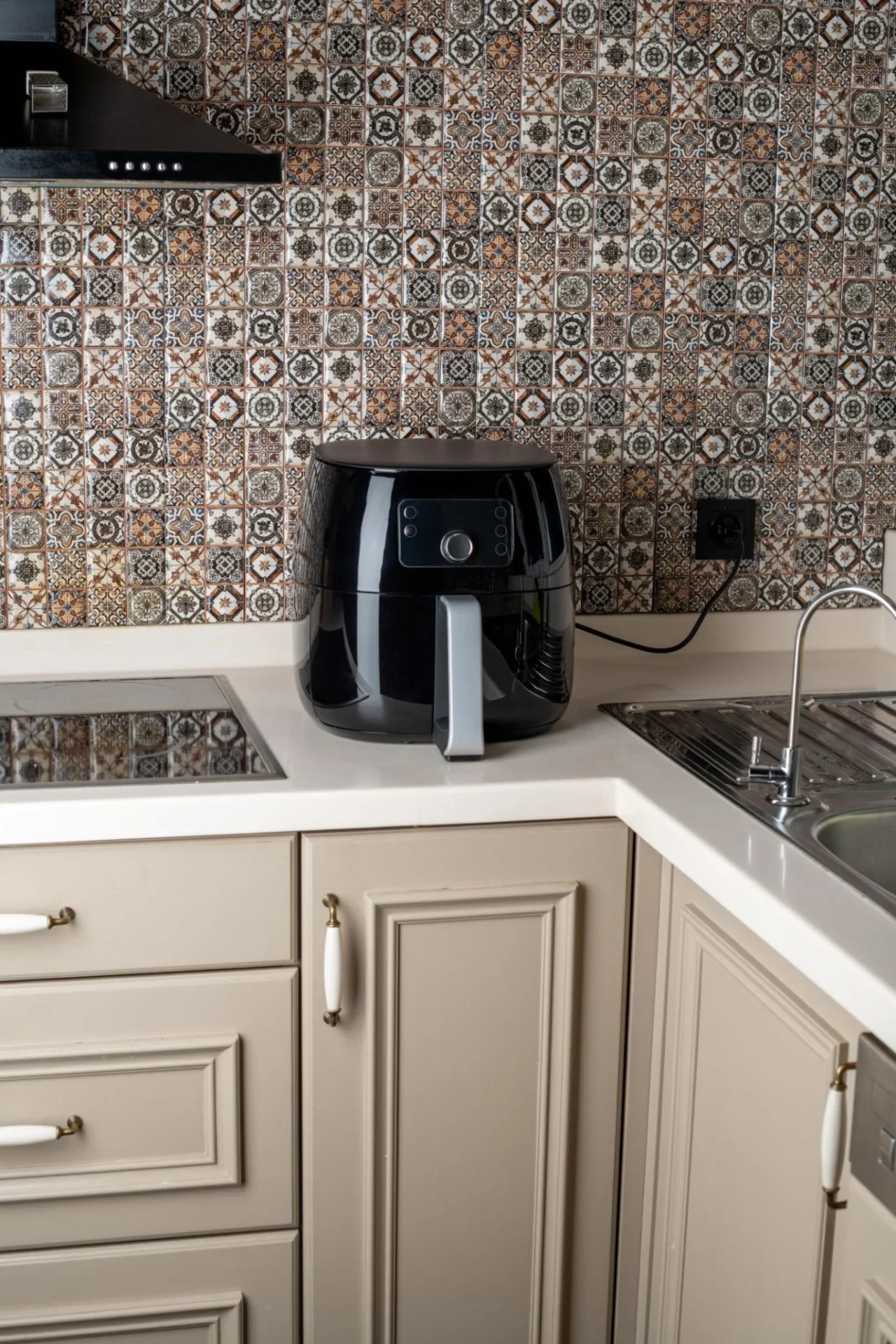
Countertop clutter can have a similar effect. Large appliances, containers, or walls that crowd the air fryer restrict how air moves around the unit during operation.
Even subtle placement differences can influence results. Shifting the appliance a few inches away from walls or giving it more open space often improves consistency. If your kitchen setup is tight, small adjustments can make a difference, and organizing the area around your appliance is covered in our guide on how to organize small kitchen counter space.
When Uneven Cooking Is Not Your Fault
Not all uneven cooking comes from technique or placement. Some air fryer models naturally create stronger heat zones near the heating element and weaker circulation toward the bottom of the basket. That difference can show up even when food is spaced properly.
Basket design also plays a role. Certain mesh patterns, shallow trays, or compact cooking chambers move air less efficiently than others. In those cases, slight variation in browning is normal and does not indicate a malfunction.
If the same side of food browns faster every time, try rotating the basket halfway through cooking instead of extending the time. Small adjustments often solve consistent hot spot patterns.
It’s also worth remembering that air fryers prioritize speed over uniformity. They cook quickly by concentrating heat, and that intensity can produce minor differences across the surface of food.
If results are mostly consistent but not perfectly symmetrical, that is usually within normal operating behavior. True performance issues tend to look dramatic, not subtle.
How to Prevent Uneven Cooking Going Forward
Preventing uneven cooking starts with consistency. Keep food in a single layer whenever possible, and resist the urge to fill the basket to its limit just to save time. Air needs room to move.
Cut ingredients into similar sizes before cooking. Even small differences in thickness can lead to noticeable differences in browning, especially during shorter cook times.
Shake or rotate once during cooking instead of waiting until the end. One mid-cycle adjustment corrects most minor hot spot issues without needing to increase temperature.
Finally, give the air fryer space to breathe. Proper clearance around vents and a clutter-free countertop support stable airflow and more predictable results.
When these habits become routine, uneven cooking becomes occasional rather than constant. Air fryers work best when food placement and airflow are treated as part of the cooking process, not an afterthought.
FAQs
Is uneven cooking normal in an air fryer?
Yes, minor uneven browning is normal because air fryers heat from a specific direction and rely on moving air rather than flat radiant heat. Small differences in airflow can create subtle hot and cool spots.
Should I shake the basket every time?
Not always, but shaking once during cooking helps redistribute food into stronger airflow zones. For fries, vegetables, or small pieces, one mid-cycle shake usually improves consistency.
Why do fries cook unevenly in an air fryer?
Fries often overlap or stack, which blocks airflow. Edges brown first because they are exposed on more sides, while center pieces may sit in heat shadows. Spacing and shaking make a noticeable difference.
Does preheating help with even cooking?
Preheating can improve surface browning because food enters a fully heated chamber. While it does not eliminate airflow patterns, it can reduce the contrast between pale and browned areas.
Amazon and the Amazon logo are trademarks of Amazon.com, Inc, or its affiliates.

