
Air Fryer Turns On but Doesn’t Heat
As an Amazon Associate I earn from qualifying purchases.
When an air fryer turns on but doesn’t heat, it can feel confusing and frustrating.
The lights work, the fan runs, and the timer counts down — yet food comes out cold or barely warm.
This situation often looks like a complete failure, but in many cases, the problem is more specific and fixable than it seems.
Air fryers rely on a tight relationship between power, airflow, and heat generation.
When one part of that chain breaks, the appliance can appear functional while failing to cook.
Understanding why this happens helps you decide whether cleaning, adjusting usage, or stopping use altogether is the right next step.
This guide explains the most common reasons an air fryer powers on without heating, what’s happening internally, and how to troubleshoot safely before considering repair or replacement.
In this guide
Why an Air Fryer Can Power On Without Heating
An air fryer does not use a single on-and-off system to operate. The display, control panel, and fan are powered separately from the heating element, which means part of the appliance can function even when heat is not being produced.
When the unit is turned on, low-power components activate first. This allows the screen to light up and the fan to start moving air almost immediately. If the heating circuit fails, is blocked, or is intentionally shut down by an internal safeguard, those visible signs of operation remain unchanged.
Because of this separation, an air fryer can look fully operational while never reaching cooking temperature. From a user perspective, nothing appears broken, but internally, the heat-producing system is no longer completing its role.
Heating Element Issues to Check First
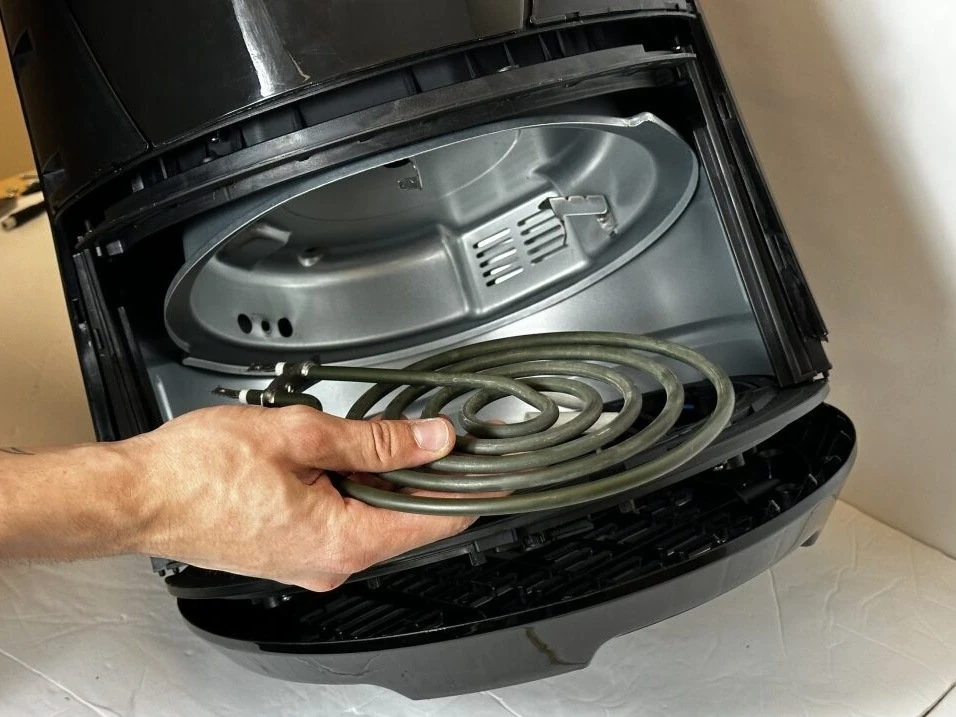
The heating element is the only part of the air fryer that actually creates heat, and when it stops doing that job, cooking stops completely. Unlike fans or displays, there is no partial performance here. Either the element heats up, or it doesn’t.
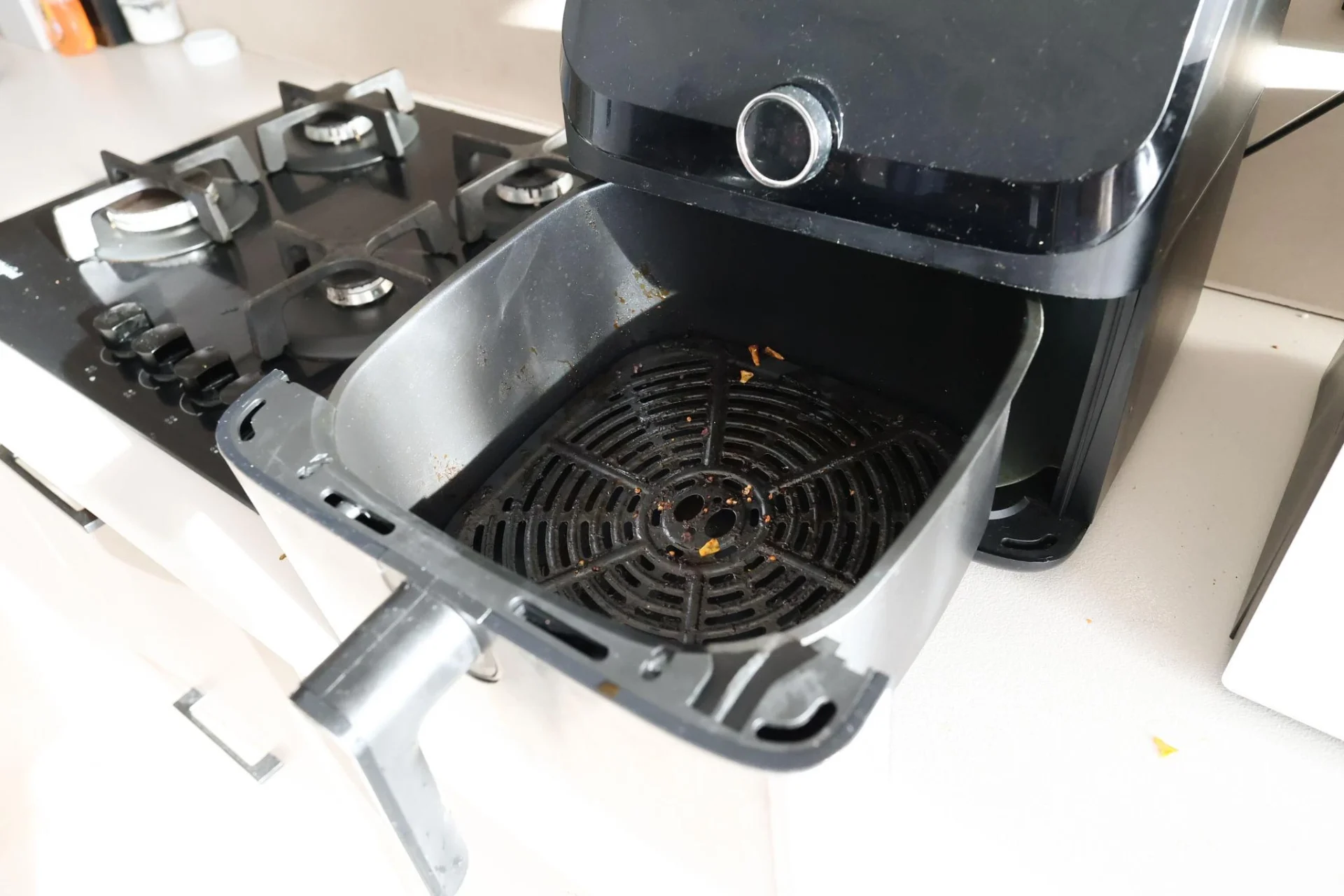
One of the most common reasons it fails is gradual buildup rather than sudden damage. Grease, oil vapor, and fine food particles settle near the heating area over time. This residue can trap heat, interfere with airflow, or cause internal limits to shut the element down before it ever reaches temperature.
In other cases, the element itself has weakened or lost continuity after repeated heating cycles. When that happens, the air fryer may still power on normally, but no amount of time or temperature adjustment will restore heat. Cleaning is always the first thing to rule out, and proper maintenance makes a real difference. If buildup is suspected, follow the steps in our guide on how to clean your air fryer before assuming permanent failure.
When the Fan Runs but Heat Never Builds
This is usually the most misleading version of the problem. The air fryer sounds normal, air is clearly moving, and the timer counts down as expected, yet food comes out cold or barely changed.
That combination often convinces people the appliance is still working and just needs more time. In reality, airflow without heat means the fan is operating independently while the heating element is not contributing anything to the cooking process.
If the basket area does not feel warm after several minutes of operation, continuing to run the air fryer will not improve results. At that point, the appliance is circulating unheated air and adding unnecessary wear without cooking food.
This observation helps rule out common misunderstandings. It is not a loading issue, a low temperature setting, or a slow warm-up. Heat is either being generated or it is not, and sound alone is not a reliable indicator.
A simple check is time-based rather than visual. After a few minutes, the interior should feel noticeably warm. If it does not, the air fryer is not producing heat at all, regardless of what the display or fan suggests.
Common User Errors That Prevent Heating
Some heating problems are not caused by a failed component at all. They come from small usage habits that quietly interfere with how an air fryer is designed to work, often without the user realizing anything is wrong.
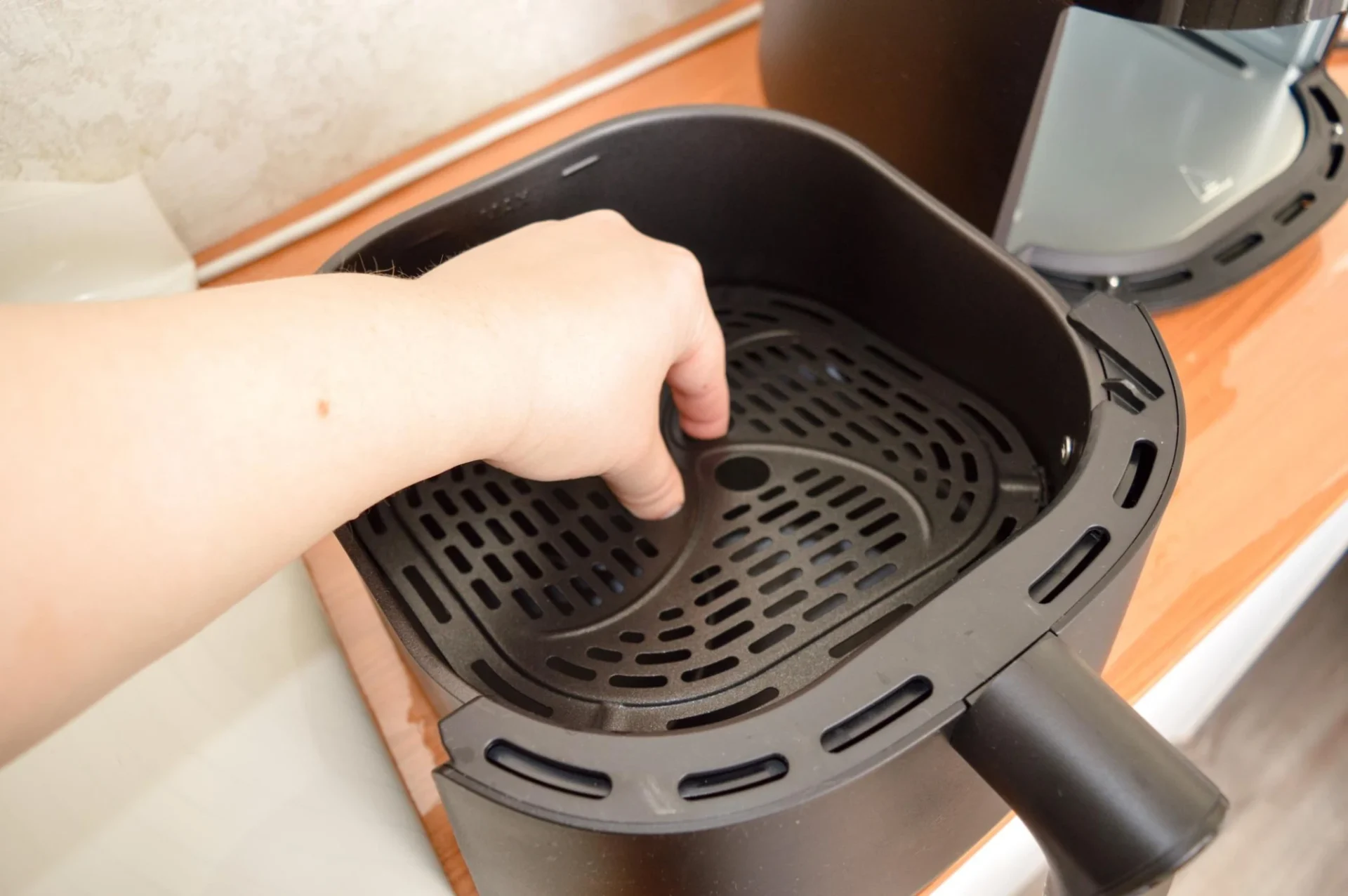
Overfilling the basket is one of the most common examples. When food is stacked too tightly or pressed against the sides, hot air cannot circulate properly, and heat never reaches the surface of the food. The air fryer may be heating, but the result feels the same as a failure.
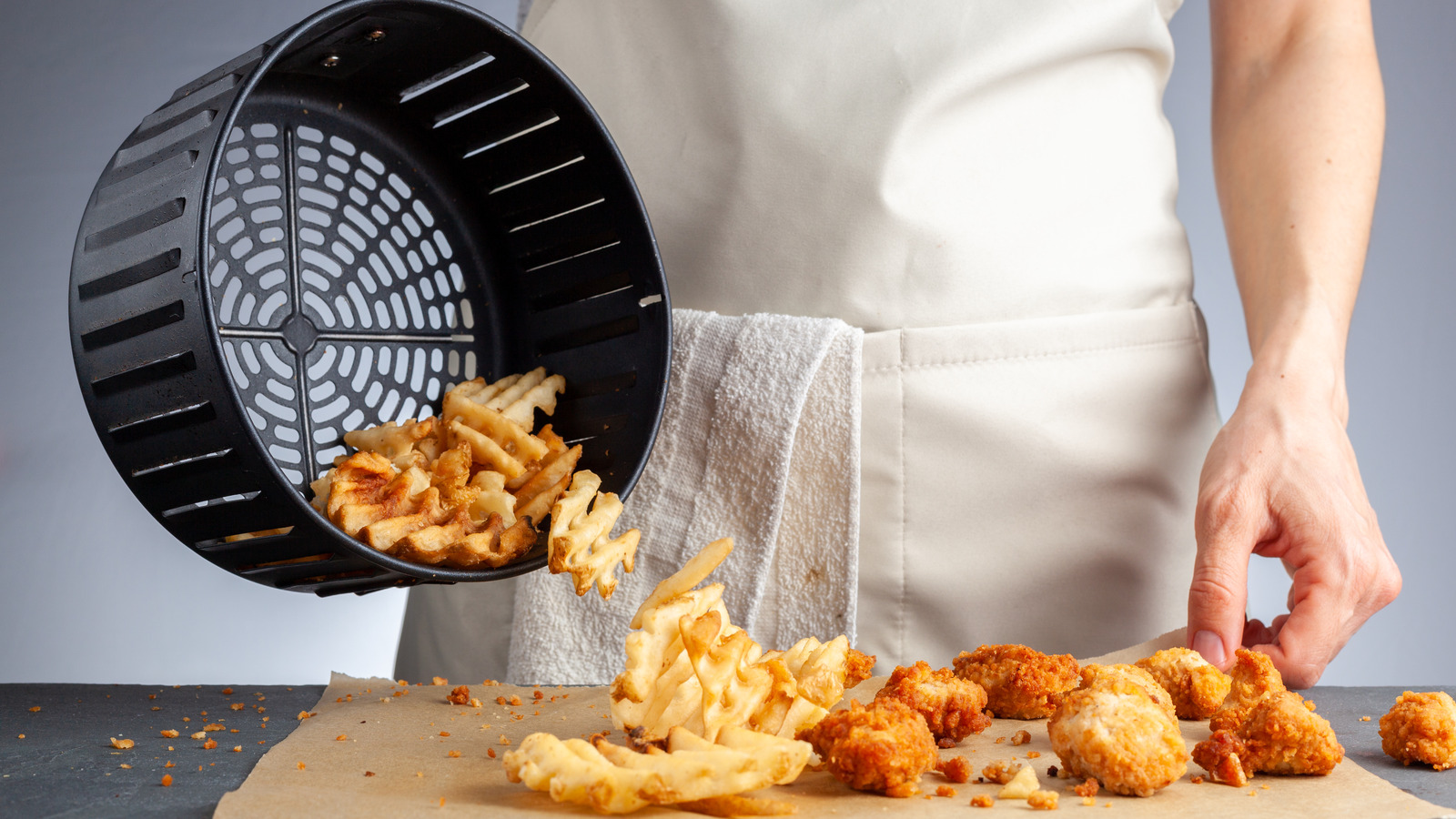
Another frequent issue is misplaced liners, foil, or parchment that blocks airflow near the fan or heating area. These accessories are helpful, but only when used in a way that keeps vents and air paths clear.
If food looks pale or unchanged but the air fryer feels warm inside, remove half the basket and try again. Good airflow matters more than cooking time in air fryers.
Expectation also plays a role. Air fryers do not always behave like ovens, and lower temperature settings or skipped preheating can make cooking feel ineffective. Many of these issues come from misunderstanding how air fryers are meant to be used rather than from a true malfunction. A deeper breakdown is covered in our guide on common air fryer mistakes to avoid.
Electrical or Control Board Problems
This is the point where the problem usually stops being visible. Nothing looks wrong from the outside, and there may not be any obvious signs beyond the lack of heat.
Inside the air fryer, the control board decides when power is sent to the heating element. If that board misreads temperature data, loses a connection, or fails outright, heat simply never turns on. The fan and display can still work because they do not rely on the same control path.
People often try resets at this stage. Unplugging the unit, waiting, plugging it back in. Sometimes that helps briefly. Often it doesn’t. When it doesn’t, there usually isn’t a user-facing fix.
This is also where continuing to experiment stops being useful. Control boards are not designed to be accessed, and guessing inside a sealed appliance is how small problems turn into unsafe ones.
When Repair Stops Making Sense
Even when the cause of a heating failure is clear, repairing an air fryer is not always practical. Many models are designed as sealed units, with replacement parts that are difficult to source or cost nearly as much as the appliance itself.
For older or budget air fryers, heating problems often signal the end of their usable lifespan. In these cases, repair attempts can lead to repeated failures or unreliable performance. Understanding the limitations of air fryer design helps set realistic expectations.
If you are weighing repair against replacement, it can help to understand how air fryers differ from other countertop cooking appliances. Our comparison of air fryer vs convection oven explains why certain heating issues are more common and when switching appliances may make more sense.
How to Prevent Heating Problems in the Future
Most heating problems don’t come from a single mistake. They build up slowly, usually through a mix of residue, habits, and expectations that drift over time. Prevention is less about doing one thing right and more about not letting small issues pile up unnoticed.
Keep airflow boring and predictable
Air fryers only work well when air can move freely. That means resisting the urge to pack the basket, wedge food against the sides, or stack items in layers. Even when the air fryer is heating properly, restricted airflow can make it feel like it isn’t.
If you’re unsure whether airflow is the issue, cook the same food in two smaller batches instead of one full basket. If the second batch cooks normally, airflow—not heat—was the problem.
Pay attention to early changes
Heating problems usually show up as small changes first. Food takes a little longer. Browning looks uneven. You start adding time instead of adjusting placement. These are often early signs that airflow or heat transfer is being compromised, not that the appliance is failing outright.
A simple mental check can help narrow things down before problems escalate:
Fan running + interior feels warm → airflow or loading issue
Fan running + interior stays cool → heating problem
No fan + no heat → electrical or power issue
Don’t ignore cleaning just because it “still works”
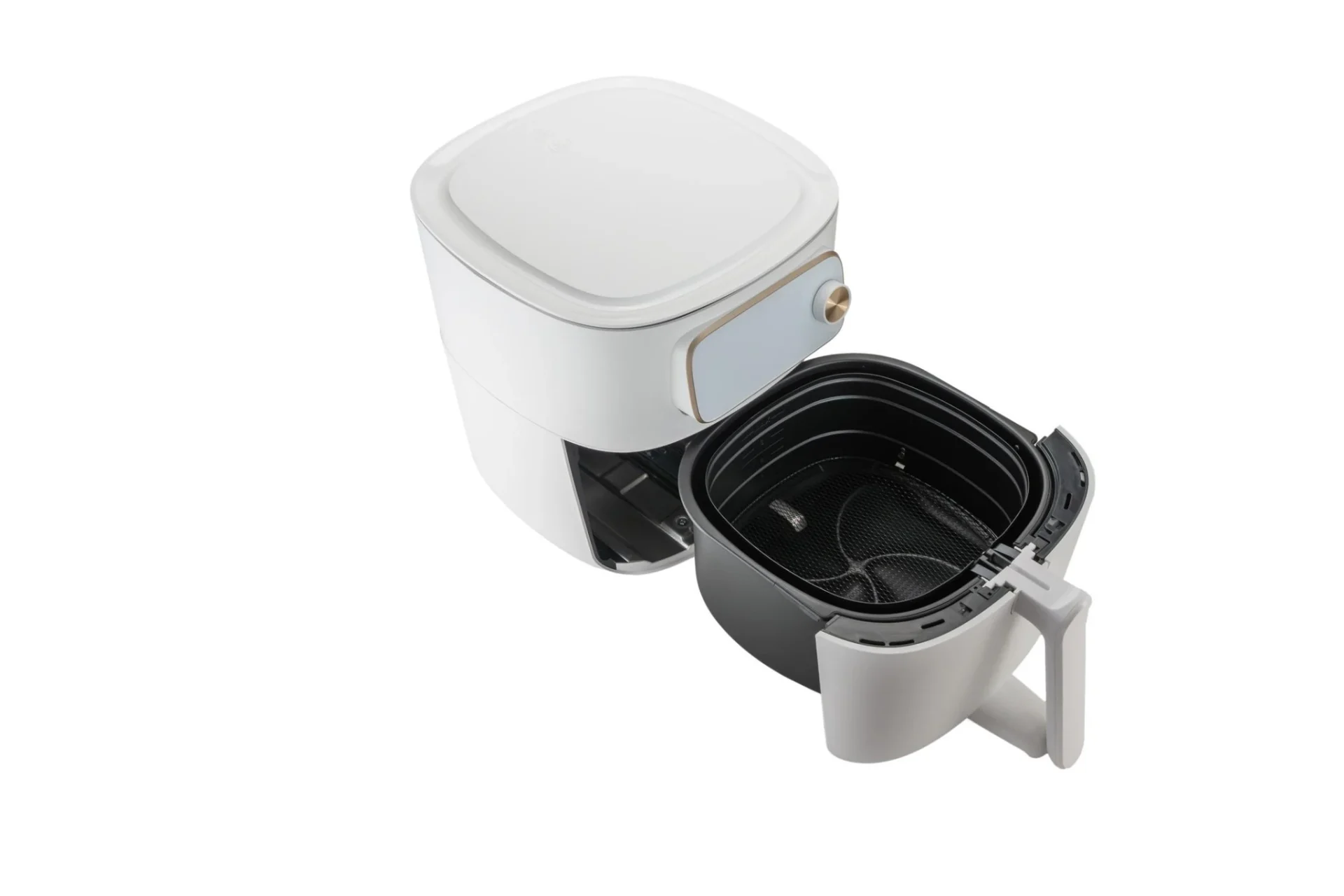
Grease buildup near the heating area doesn’t usually cause immediate failure. It slowly interferes with heat circulation and can eventually trigger internal limits that stop the element from turning on. Cleaning while the air fryer still appears functional is far more effective than waiting for performance to drop.
Most importantly, don’t assume time will fix a heating issue. If something feels off consistently, it usually is. Catching that early is the easiest way to extend the life of the appliance and avoid sudden, confusing failures later on.
FAQs
Can an air fryer turn on if the heating element is broken?
Yes, an air fryer can still turn on even if the heating element is broken. The display, lights, and fan use a different electrical pathway than the heating element, so the appliance may appear to work while producing no heat.
Is it safe to keep using an air fryer that doesn’t heat?
If an air fryer powers on but never heats, it should not continue to be used for cooking. While it may not be immediately dangerous, running it repeatedly without heat can cause unnecessary wear and makes troubleshooting more difficult.
How can I tell if my air fryer is actually producing heat?
After a few minutes of operation, you should feel noticeable warmth inside the basket area. If the air fryer sounds normal but remains cool to the touch internally, the heating element is likely not activating.
Does grease buildup really stop an air fryer from heating?
Yes, heavy grease buildup can interfere with airflow and heat circulation around the heating element. Over time, this can reduce cooking performance or trigger internal limits that prevent the air fryer from heating properly.
Amazon and the Amazon logo are trademarks of Amazon.com, Inc, or its affiliates.

