
- You are here:
- Home »
- Home Articles »
- Why Does My Blender Smell Like Burning?
Why Does My Blender Smell Like Burning?

As an Amazon Associate I earn from qualifying purchases.
A burning smell coming from a blender is one of those moments that instantly makes you pause.
It doesn’t matter if you were halfway through a smoothie or just pulsing ingredients — the smell alone is enough to trigger concern.
For many people, the first fear is electrical failure.
Others worry that something inside is melting or that continuing to use the blender could be dangerous.
While those concerns are understandable, the reality is usually less dramatic — and far more fixable.
In most cases, a burning smell isn’t about flames or wiring.
It’s about heat, resistance, and how hard the motor is being forced to work.
Understanding that difference is what allows you to respond correctly instead of guessing.
In this guide
Why a Blender Smells Like Burning
A blender produces a burning smell when its motor is under abnormal stress.
That stress creates heat, and heat is what your nose is reacting to — not necessarily smoke or damage.
Inside the base, the motor is designed to spin at high speed with a predictable level of resistance.
When ingredients move freely and blades stay sharp, the motor stays within a safe temperature range.
Problems start when that balance is disrupted.
Thick mixtures, dull blades, internal friction, or blocked airflow all force the motor to work harder than intended.
As the motor strains, internal components warm up.
Dust, old grease, or insulation materials inside the base can then emit a hot, acrid odor that resembles burning plastic or rubber.
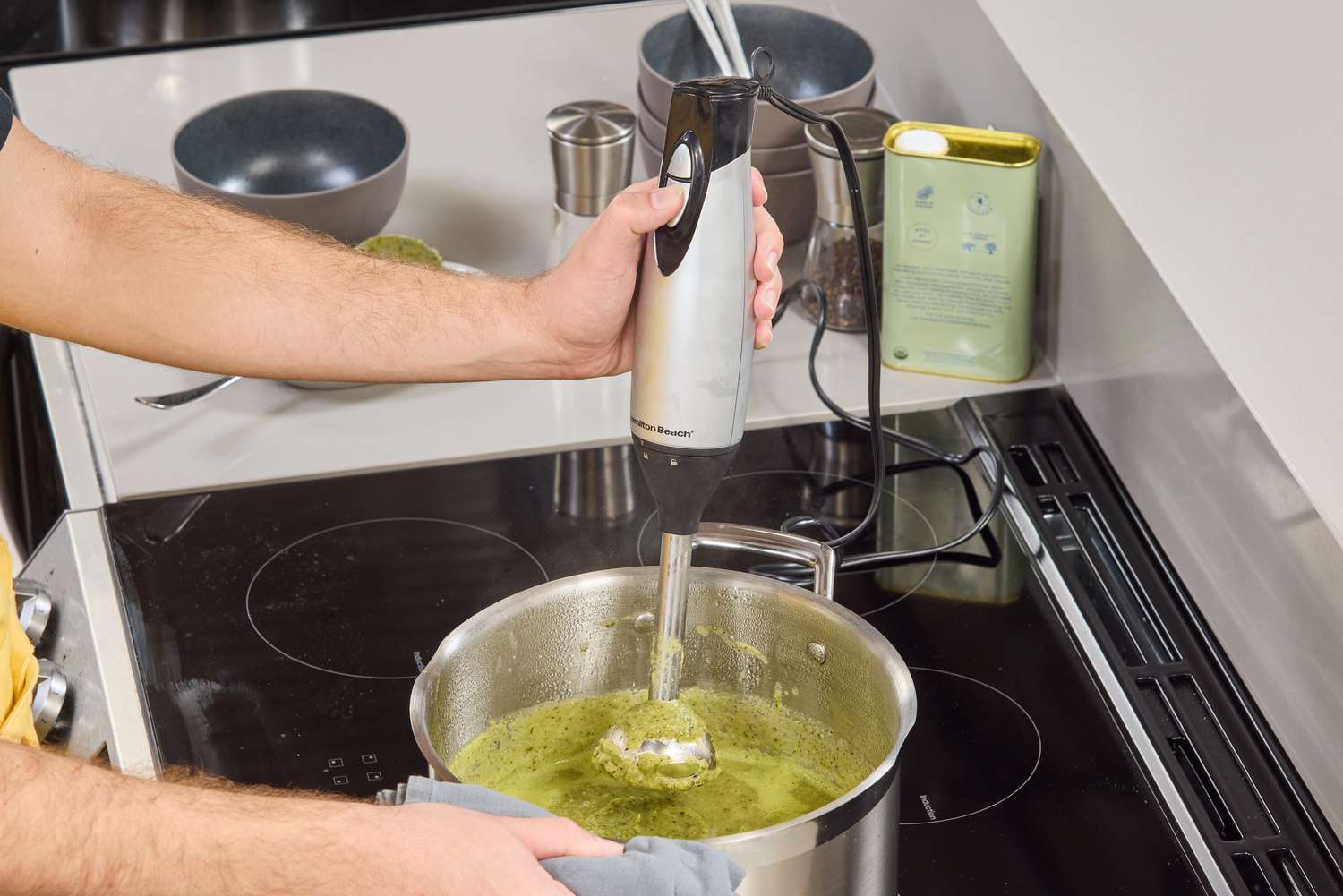
This is why a burning smell often appears before any visible failure. The blender may still run, spin, and sound normal — but the motor is signaling that something isn’t right.
Ignoring that signal is what turns a temporary issue into a permanent one.
Common Causes of Burning Smells
A burning smell doesn’t come from one single failure.
It’s usually the result of the motor being asked to do more work than it was designed to handle — often without the user realizing it. Understanding the most common stress points makes the source of the smell much easier to identify.
One of the biggest contributors is ingredient density. Thick smoothie bowls, frozen fruit, nut butters, and dry blending all increase resistance at the blades. When ingredients stop circulating smoothly, the motor compensates by drawing more power and generating extra heat.
Another frequent cause is internal friction.
If blades are dull, partially blocked, or no longer spinning freely, the motor has to fight that resistance every second the blender is running.
That friction doesn’t stay localized — it transfers directly into the motor housing as heat.

Mechanical issues can also play a role. When internal components don’t move smoothly, resistance builds in places you can’t see. For example, leaking seals or worn parts beneath the jar can increase drag on the blade assembly. That added friction doesn’t just cause leaks — it can also contribute to overheating and burning odors. This connection is explained in more detail in why blenders leak from the bottom, where seal wear and resistance are closely linked.
Airflow is another overlooked factor. Blenders rely on ventilation openings to release heat from the motor base.
When those vents are blocked by dust, grease, or tight storage spaces, heat becomes trapped. Even normal blending tasks can then produce smells that feel alarming.
What makes these causes confusing is that the blender often still works.It may spin, pulse, and finish the job — all while slowly overheating. The smell isn’t a sign that the blender has failed yet, but it is a warning that conditions aren’t ideal.
What to Do When Your Blender Smells Like Burning
The moment you notice a burning smell, the most important thing is to stop blending. Continuing to run the blender “just to finish” often turns a temporary overheating issue into lasting damage.
Turn the blender off and unplug it from the outlet.Even if the smell seems mild, disconnecting power allows internal heat to dissipate and removes any risk of electrical stress while you assess the situation.
Give the blender time to cool.
Motors retain heat longer than most people expect, and restarting too soon can compound the problem.
A cooling period of at least 20 to 30 minutes is usually enough for internal temperatures to normalize.
Do not ignore a burning smell or attempt to “push through” it. Repeated overheating can permanently damage the motor windings and increase the risk of electrical failure.
Once the blender has cooled, inspect it visually before using it again.
Check that air vents around the base are clear and that no residue, dust, or grease is blocking airflow.
Also look underneath the jar for signs of resistance, stiffness, or unusual friction when turning the blades by hand.
If the smell was brief and does not return after cooling and inspection, the issue may have been temporary.
If it reappears quickly or intensifies, that’s a signal that deeper causes need to be addressed before continued use.
Overheating and Usage Habits
Not all burning smells come from what’s inside the jar.
How and where a blender is used plays a major role in how much heat the motor retains during operation.
Even a well-maintained blender can overheat if its environment works against it.
Ventilation is one of the most overlooked factors.
Blender motors rely on airflow to release heat through vents around the base.
When those openings are blocked by dust buildup, greasy residue, or cramped storage, heat has nowhere to escape.
The result is a rising internal temperature — and eventually, a burning smell.
Usage habits matter just as much.
Running the blender continuously for long periods, especially with thick or dry ingredients, prevents the motor from cooling between bursts.
Short pulses with brief pauses are far easier on the motor than extended high-speed runs.
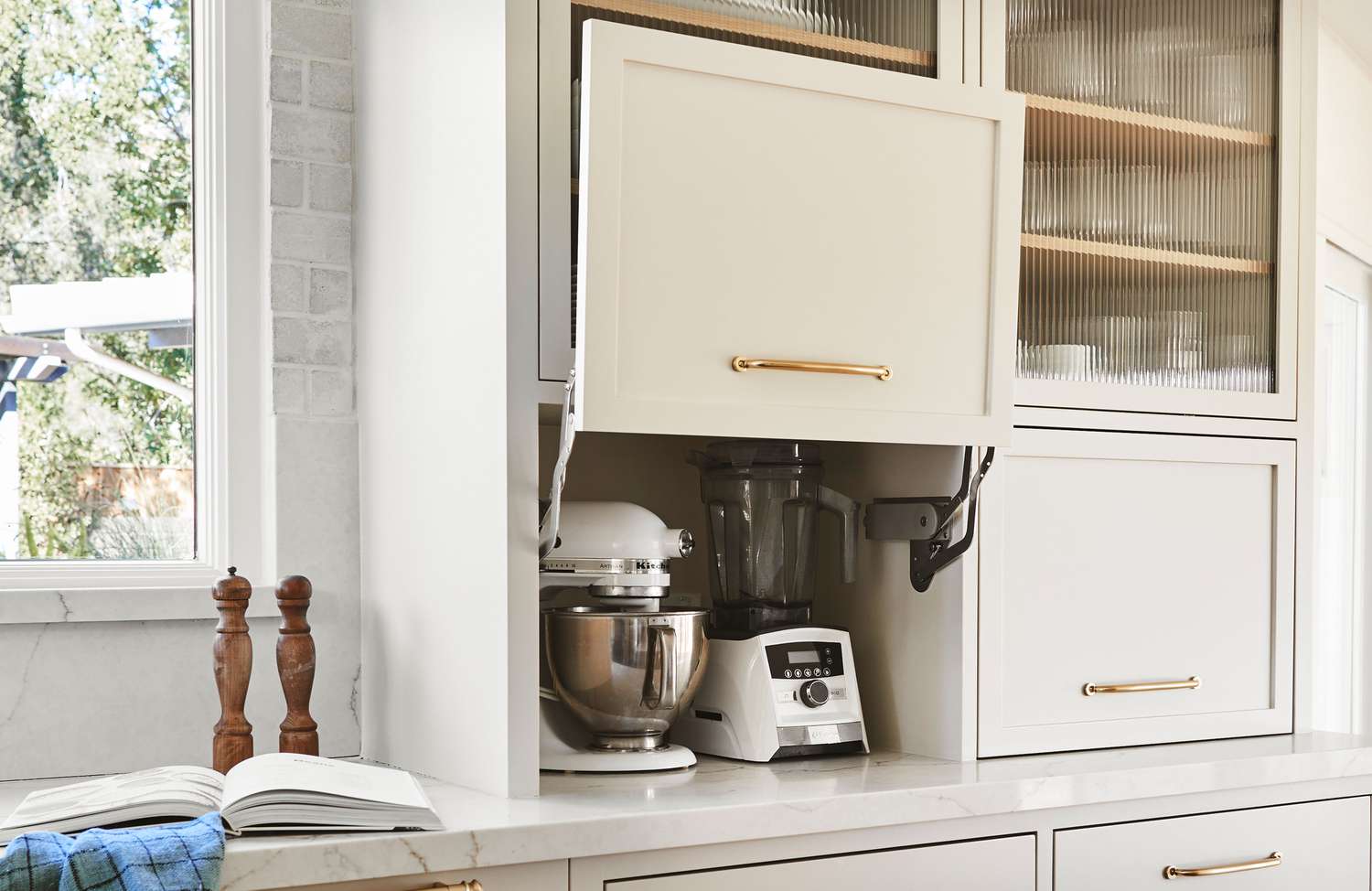
Storage choices can quietly worsen the problem. Keeping the blender in enclosed cabinets or tightly packed shelves limits airflow even when the appliance isn’t in use. Over time, retained heat and poor ventilation increase internal wear. Practical placement and airflow considerations are covered in store kitchen appliances smartly, which focuses on reducing heat retention and long-term stress.
These habits rarely cause immediate failure. Instead, they create a slow buildup of heat and wear that eventually shows itself through smell. Recognizing and adjusting these factors early helps prevent the issue from escalating.
When a Burning Smell Means Replacement
Not every burning smell signals the end of a blender’s life.
But there are situations where the odor isn’t a temporary warning — it’s evidence of ongoing internal damage.
Knowing when to stop troubleshooting protects both your appliance and your kitchen.
If the burning smell returns quickly after cooling, even during light blending, that usually points to internal motor wear.
At this stage, routine care and cleaning no longer reduce heat buildup because the motor itself is struggling to operate efficiently.
Repeated thermal shutoffs are another red flag. Many modern blenders include safety mechanisms that cut power when temperatures rise too high.
If this happens frequently, it means the motor is routinely exceeding safe limits — something maintenance alone rarely resolves.
In some cases, maintenance can still help clarify the situation.
Checking airflow, cleaning vents, and confirming blade movement can rule out simple causes.
If you’ve already worked through those steps and the smell persists, guidance like blender maintenance tips can help confirm whether the issue is environmental or mechanical.
When a burning smell is accompanied by other symptoms — grinding noises, power loss, leaks, or reduced blending strength — the cost-benefit balance shifts.
Replacing individual components may restore function briefly, but reliability often continues to decline.
At that point, replacement becomes a practical decision rather than a failure. Understanding when repairs stop making sense can save time, money, and frustration. This perspective is explored further in when appliance repair is not worth it, which helps weigh ongoing fixes against long-term reliability.
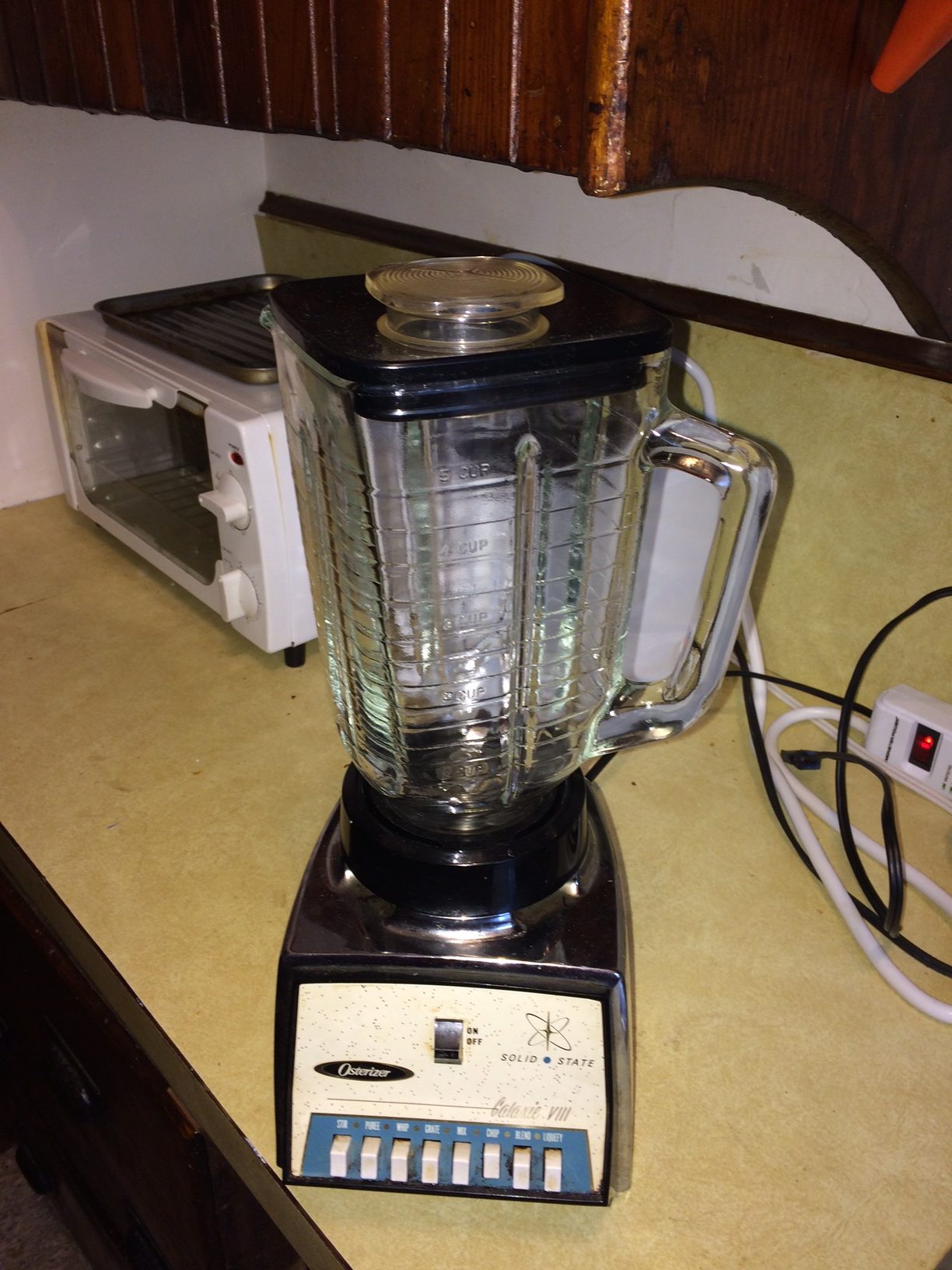
A blender should feel dependable, not risky. If heat, smell, and performance issues continue despite careful use, upgrading to a model suited for your blending habits is often the safer and more satisfying choice.
Frequently Asked Questions
Is a burning smell from a blender dangerous?
Not always. A brief burning smell is often caused by motor overheating or internal friction rather than an electrical fault.
However, if the smell is strong, persistent, or accompanied by smoke or power loss, the blender should be turned off and unplugged immediately.
Can a new blender smell like burning?
Yes. Some new blenders emit a temporary “factory” or insulation smell during their first few uses.
This should fade quickly. If the smell intensifies or continues after several uses, it may indicate overheating or restricted airflow.
Why does my blender smell like burning rubber?
A rubber-like smell is often linked to friction or heat near seals, couplings, or internal insulation.
Resistance at the blades or poor ventilation can cause surrounding materials to heat up and release odor.
Should I keep using my blender if it smells like burning?
No. Continuing to run a blender while it smells like burning can cause permanent motor damage.
It’s best to stop, allow it to cool, and inspect for airflow issues, resistance, or repeated overheating before using it again.
Can cleaning fix a burning smell?
Sometimes. Removing dust, grease, and residue from vents, blade assemblies, and seals can improve airflow and reduce friction.
If cleaning doesn’t help and the smell returns quickly, internal wear is more likely.
Amazon and the Amazon logo are trademarks of Amazon.com, Inc, or its affiliates.

