
Why Coffee Makers Brew Slower Than They Used To
As an Amazon Associate I earn from qualifying purchases.
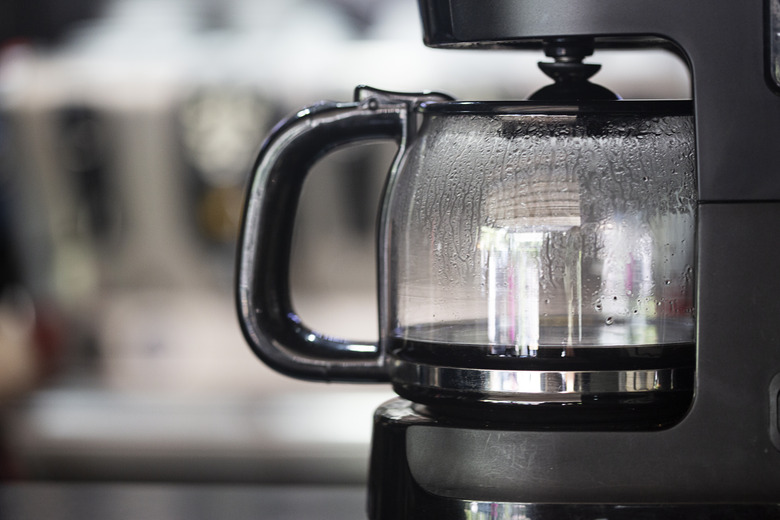
If your coffee maker is brewing slowly compared to how it used to, you’re not imagining it. A noticeable drop in brew speed is one of the most common early signs that something inside the machine is changing — even when it still powers on and finishes a cycle.
In most kitchens, slow brewing doesn’t happen overnight. Mineral deposits build up, internal water pathways narrow, airflow becomes restricted, and everyday usage habits quietly increase resistance inside the machine. By the time brewing feels frustrating, the underlying causes have often been developing for months.
This guide explains why a coffee maker starts brewing slowly over time, what internal changes are usually responsible, and when slow brewing is still fixable — versus when it signals a deeper problem.
In This Article
- Why Coffee Makers Start Brewing Slower Over Time
- The Main Causes of Slow Coffee Maker Brewing
- Mineral Buildup Is the #1 Reason Brew Speed Drops
- How Daily Usage Habits Make Brewing Slower
- When Slow Brewing Signals a Bigger Problem
- How Grind Size Directly Affects Brew Speed
- When Slow Brewing Can Still Be Fixed — And When It Can’t
- Frequently Asked Questions
Why Coffee Makers Start Brewing Slower Over Time
Coffee makers are engineered to move water through internal tubing, heating chambers, and spray heads at a specific speed and pressure. When that balance shifts, brewing slows — not because the machine suddenly became old, but because internal resistance has increased.
Unlike electrical failures that stop brewing completely, slow brewing is almost always gradual. Water still heats, pumps still activate, and the machine still runs — but water no longer moves through the system as efficiently as it once did.
Several internal changes commonly contribute to a coffee maker brewing slowly:
- Mineral deposits narrowing internal water pathways
- Coffee oil residue coating spray heads and valves
- Restricted airflow that traps heat inside the housing
- Daily usage habits that quietly increase pressure resistance
Because these changes develop incrementally, many people assume slower brewing is just normal wear. In reality, it’s usually the first visible warning sign that internal conditions are no longer optimal.
Those internal and environmental changes are usually mechanical, not electrical — and they tend to worsen over time.
The Main Causes of Slow Coffee Maker Brewing
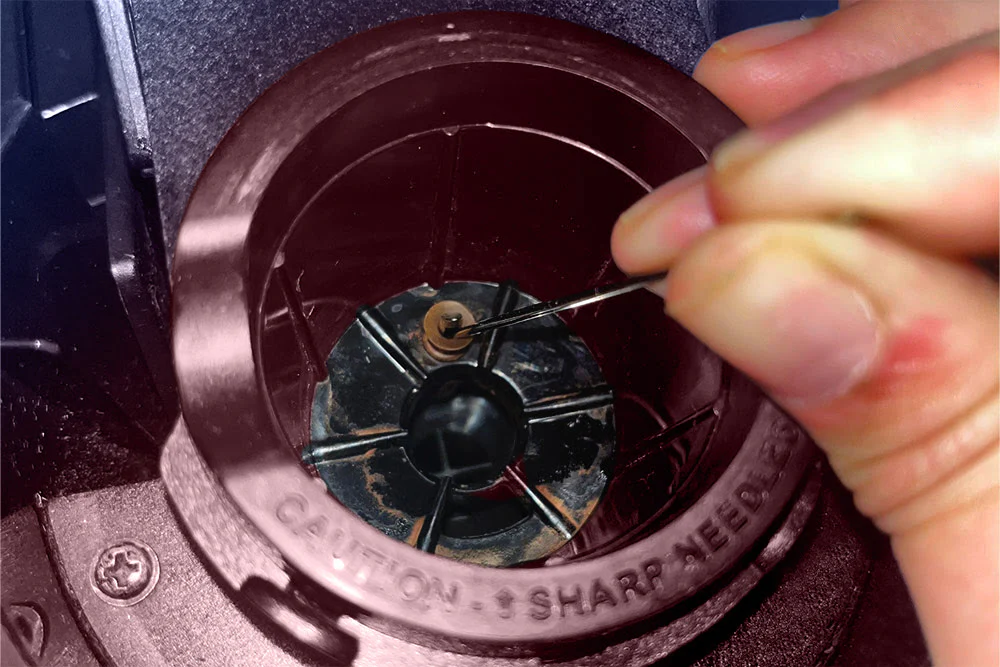
When a coffee maker starts brewing slowly, the issue is almost never electrical. In most cases, the machine is still heating water properly — it’s just struggling to move that water through the system at its original speed.
Slow brewing happens when internal resistance increases. Water encounters friction, narrowing pathways, or pressure imbalance that forces the machine to extend brew time to complete a cycle.
The most common causes of slow coffee maker brewing fall into three overlapping categories:
- Flow restrictions inside internal tubing, valves, or spray heads
- Pressure imbalance caused by buildup downstream
- Environmental stress such as trapped heat and poor airflow
These problems don’t appear suddenly. They build gradually as minerals, coffee oils, and repeated heat exposure alter how water moves inside the machine.
Why Slow Brewing Is Almost Always a Flow Problem
Coffee makers rely on narrow internal water pathways to guide heated water from the reservoir to the brew head. Even minor changes in those pathways can noticeably affect brewing speed.
As resistance increases, the machine compensates by extending brew time. This is why slow brewing usually appears before any complete brewing failure.
Common flow-related symptoms include:
- Water dripping instead of spraying evenly
- Brewing that pauses or hesitates mid-cycle
- Longer brew times without stronger coffee
Why Slow Brewing Rarely Fixes Itself
Once water flow slows down, conditions inside the coffee maker actually favor faster buildup. Slower-moving water allows minerals to settle more easily, while extended heating cycles encourage residue to bond to internal surfaces.
Instead of clearing minor obstructions, each brew quietly adds more resistance. This is why a coffee maker that brews slowly for weeks often continues getting slower if no action is taken.
Main cause explained:
Mineral buildup is the most common reason a coffee maker brews slowly.
This step-by-step guide explains how to descale a coffee maker naturally
and why regular descaling restores normal brew speed.
In the next section, we’ll focus on the single biggest contributor to slow brewing — mineral buildup — and explain exactly how it restricts flow inside a coffee maker over time.
Mineral Buildup Is the #1 Reason Brew Speed Drops
If a coffee maker is brewing slowly, mineral buildup is almost always the main culprit. Unlike visible clogs or sudden failures, scale develops quietly inside internal tubing and heating components — long before brewing stops completely.
Every time water is heated, dissolved minerals such as calcium and magnesium are left behind. Over repeated brew cycles, these minerals harden into scale that narrows water pathways and interferes with heat transfer.
As buildup thickens, water must pass through tighter spaces under the same pressure. The result is slower flow, longer brew cycles, and uneven extraction.
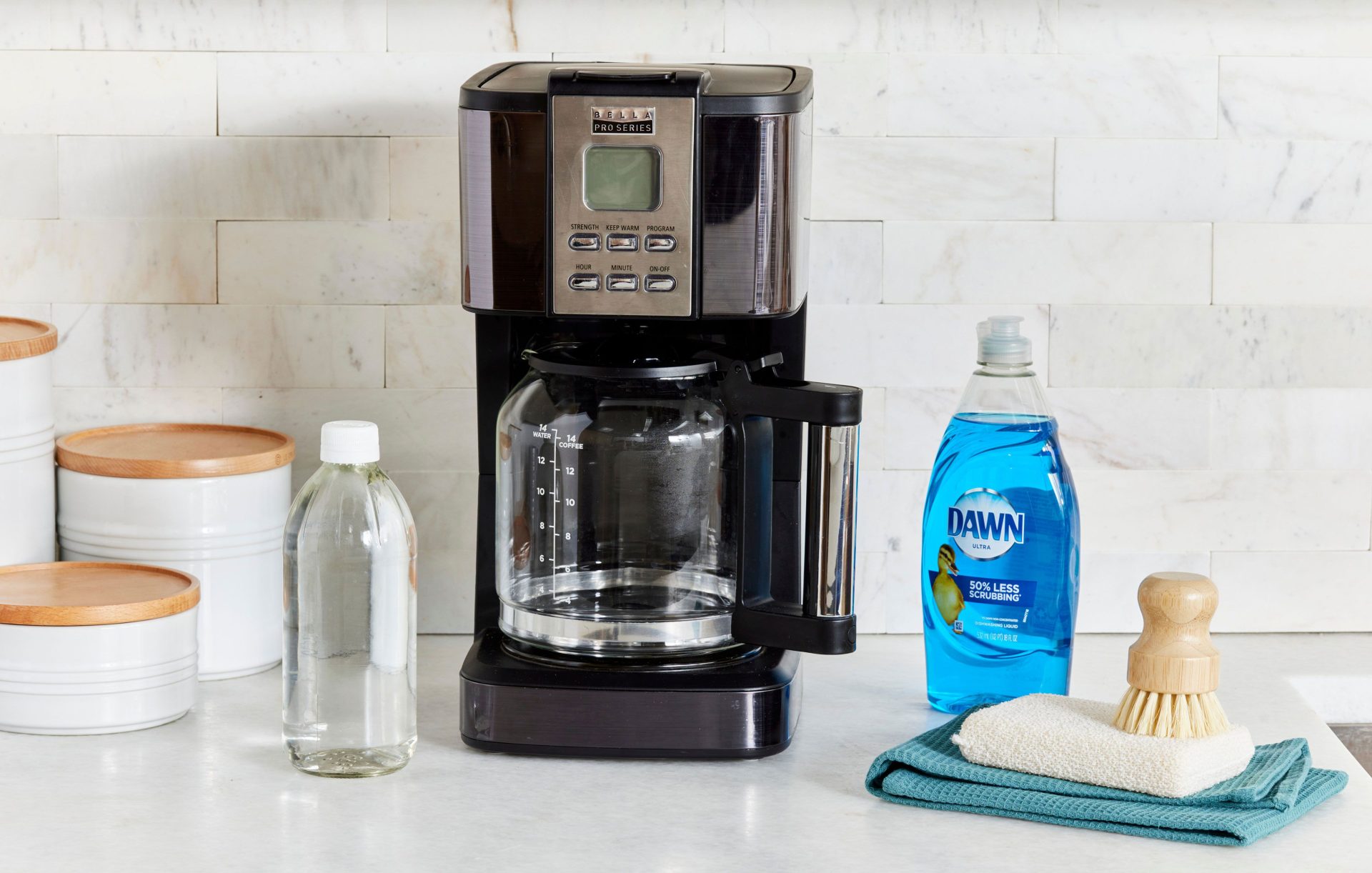
How Mineral Scale Slows Brewing
Coffee makers are engineered to move water at a specific speed and pressure. When scale coats internal surfaces, two critical changes happen at once:
- Internal tubing becomes narrower, increasing resistance
- Heating elements transfer heat less efficiently
To compensate, the machine extends brew time to reach the temperature and pressure needed to continue brewing. This is why slow brewing often appears before taste or temperature problems.
Why Slow Brewing Gets Progressively Worse
Once scale begins restricting water flow, conditions inside the machine favor faster buildup. Slower-moving water allows minerals to settle more easily, while longer heating cycles accelerate deposition.
Instead of stabilizing, the problem compounds with every brew. This explains why coffee makers that brew slowly for weeks often become frustratingly slow if no action is taken.
Why Rinsing With Plain Water Isn’t Enough
Running plain water through a coffee maker may remove loose residue, but it cannot dissolve hardened mineral deposits. Scale bonds tightly to internal surfaces and requires acidic solutions to break down.
Without proper descaling, internal resistance continues increasing — even if the machine looks clean from the outside.
Caution:
Continuing to brew with heavy mineral buildup forces the coffee maker to operate under prolonged heat and pressure.
This accelerates internal wear and increases the risk of permanent component damage.
How Daily Usage Habits Make Brewing Slower
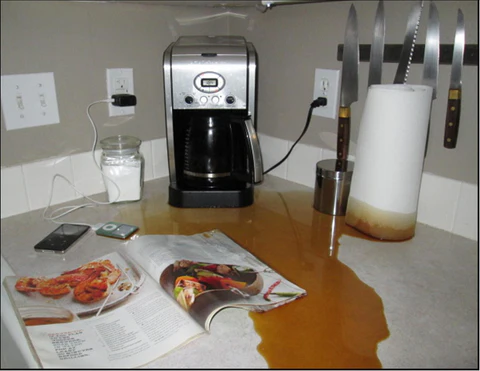
When a coffee maker brews slowly, internal buildup is often blamed — but daily habits play a much bigger role than most people realize. Even a well-maintained machine can lose brewing speed if everyday use quietly increases resistance inside the system.
These habits don’t cause immediate failure. Instead, they change heat retention, moisture levels, and pressure balance until slow brewing becomes noticeable.
Leaving Water Sitting in the Reservoir
Keeping water in the reservoir between brews allows minerals to settle and bond to internal surfaces. Each reheating cycle reinforces this process, accelerating scale formation inside tubing and valves.
Over time, stagnant water contributes to:
- Faster mineral buildup
- Uneven internal heating
- Increased resistance during brewing
This is one of the most common reasons a coffee maker starts brewing slower despite regular surface cleaning.
Using Too Much Coffee or Compacting Grounds
Overfilling the filter basket or compressing grounds increases resistance where water exits the brew chamber. While this may seem harmless, it forces water to push harder against internal pathways.
Repeated pressure imbalance can:
- Extend brew times
- Stress internal seals and valves
- Encourage residue buildup upstream
This habit is especially damaging in compact and budget coffee makers with limited pressure tolerance.
Poor Counter Placement and Restricted Airflow
Where a coffee maker sits during daily use directly affects how efficiently it operates. Machines pushed against walls, trapped between appliances, or placed under low cabinets retain heat and moisture longer than intended.
Restricted airflow leads to:
- Slower cooling between brew cycles
- Accelerated mineral deposition
- Longer and less consistent brew times
Placement insight:
Tight counters and crowded layouts quietly shorten appliance lifespan.
This guide on organizing small kitchen counter space
explains how airflow and positioning affect appliance performance.
Why These Habits Often Go Unnoticed
Because these habits don’t cause immediate failure, slow brewing is often blamed on age or water quality alone. In reality, daily usage patterns quietly amplify internal resistance until brewing speed becomes frustrating.
Addressing these habits early often restores normal brewing speed — even before deep maintenance is required.
When Slow Brewing Signals a Bigger Problem
A coffee maker brewing slowly isn’t always just a maintenance issue. In some cases, reduced brew speed is the earliest visible sign that internal stress has moved beyond buildup and into component wear.
The key difference is whether slow brewing improves after basic corrections — or continues getting worse despite them.
When Slow Brewing Is Still a Normal Warning Sign
In many machines, slow brewing simply reflects increased resistance caused by scale, residue, or airflow limitations. When these factors are addressed early, brewing speed often stabilizes.
Slow brewing is usually still manageable if:
- Brew time improves after descaling
- Flow becomes more consistent after cleaning
- No moisture appears under or inside the machine
- Electrical behavior remains normal
In these cases, slow brewing is doing its job — alerting you before more serious damage develops.
Signs Slow Brewing Has Become a Structural Issue
When internal components begin wearing out, slow brewing stops being a temporary symptom and becomes a persistent condition. At this stage, performance rarely improves for long.
Warning signs include:
- Brew times that continue increasing after maintenance
- Inconsistent flow from one cycle to the next
- Brewing that pauses or stalls mid-cycle
- Unusual internal noises or vibration
These symptoms often indicate pump fatigue, valve wear, or seal degradation rather than simple buildup.
Why Pressure Imbalance Makes Problems Escalate
Slow brewing increases internal pressure upstream. When water struggles to exit the brew basket efficiently, pressure is redirected back through tubing, seals, and fittings.
Over time, this pressure imbalance can:
- Accelerate seal failure
- Loosen internal hose connections
- Force water toward the base of the machine
Related issue:
Pressure-related slow brewing often precedes leaks.
If you’ve noticed moisture underneath the machine, see why coffee makers leak water from the bottom and when it becomes a safety concern.
When Safety Becomes the Priority
Once slow brewing coincides with leaks, electrical smells, or inconsistent power behavior, the issue is no longer just performance-related. Moisture and electricity do not mix safely inside compact appliances.
Caution:
If slow brewing occurs alongside leaks, electrical interruptions, or overheating,
unplug the coffee maker immediately.
Continued use can lead to electrical damage or shock risk.
At this point, the question shifts from “how do I restore brew speed?” to “is this machine still safe to use?”
How Grind Size Directly Affects Brew Speed
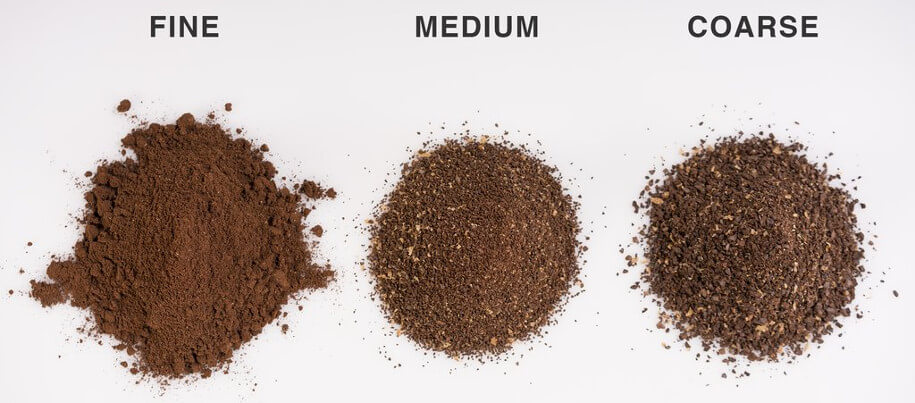
When a coffee maker is brewing slowly, the problem isn’t always inside the machine. Grind size plays a direct role in how quickly water can pass through the coffee bed — and small changes here can dramatically affect brew time.
Coffee makers are engineered to operate within a specific resistance range. When coffee grounds fall outside that range, water flow slows even if the machine itself is functioning normally.
Why Fine Coffee Grounds Slow Brewing
When grounds are too fine, they pack tightly together inside the filter basket. This reduces the spaces water needs to flow through efficiently.
As resistance increases:
- Water drains more slowly through the grounds
- Brew cycles take noticeably longer
- Internal pressure rises upstream
The coffee maker compensates by extending brew time — which users often interpret as the machine “getting old.”
How Grind Resistance Affects Internal Components
Excess resistance doesn’t stay confined to the filter basket. When water cannot exit at the intended rate, pressure pushes backward into internal tubing, valves, and seals.
Over time, this pressure imbalance can:
- Accelerate seal wear
- Increase mineral buildup in narrow channels
- Contribute to leaks or inconsistent brewing
This is why slow brewing and internal leaks often appear together in aging machines.
Why Inconsistent Grinding Makes the Problem Worse
Inconsistent grind size creates uneven resistance. Fine particles block flow while coarse pieces allow water to rush through, forcing the machine to constantly adjust pressure.
The result is:
- Unstable brew times
- Uneven extraction
- Increased strain on internal components
Instead of failing suddenly, the coffee maker gradually slows down to compensate.
Why Grinder Quality Matters for Brew Speed
Blade grinders tend to produce a mix of powder and large fragments. That inconsistency dramatically increases resistance inside the brew basket.
Grinders designed for uniform particle size allow water to flow evenly, helping the coffee maker operate within its intended pressure range.
Brew quality tip:
Choosing the right grinder improves both flavor and brewing speed.
This coffee grinder buying guide explains how grind consistency affects extraction and performance.
When Grind Size Becomes the Tipping Point
Slow brewing rarely comes from a single cause. More often, mineral buildup, airflow limitations, and grind resistance combine.
Adjusting grind size alone may not fix every case — but when paired with descaling and proper placement, it often restores normal brewing speed without replacing the machine.
When Slow Brewing Can Still Be Fixed — And When It Can’t
A coffee maker brewing slowly does not automatically mean it has reached the end of its life. In many cases, slow brewing is still reversible — but there is a clear point where maintenance stops delivering meaningful improvement.
Knowing where your machine falls on that line helps prevent wasted effort, repeated frustration, and unnecessary replacement.
When Slow Brewing Is Still Fixable
Slow brewing is usually fixable when resistance — not component failure — is the main issue. If your coffee maker shows these signs, corrective maintenance is still worthwhile:
- Brewing speed improves temporarily after descaling
- Water still heats consistently
- No electrical smells, power loss, or shutdowns occur
- Brew time changes gradually rather than abruptly
In these situations, mineral buildup, airflow limitations, or grind resistance are usually responsible. Addressing those factors often restores normal brewing speed for months or years.
When Slow Brewing Signals Internal Wear
Slow brewing becomes harder to fix when internal components begin degrading rather than simply accumulating residue. At this stage, cleaning delivers little or no lasting improvement.
Warning signs include:
- Brewing remains slow immediately after descaling
- Brew cycles pause or stop unpredictably
- Water temperature fluctuates during brewing
- New issues appear shortly after maintenance
These symptoms often indicate wear in pumps, heating elements, valves, or electronic controls.
Why Repeated Slowdowns Matter
When slow brewing returns quickly after fixes, it usually means internal tolerances are no longer stable. Water flow becomes inconsistent, pressure compensation increases, and stress spreads to surrounding components.
At that point, each additional fix delivers diminishing returns.
Making a Practical Decision
A simple rule applies:
- If maintenance restores normal brewing for months, keep the machine
- If slow brewing returns within weeks, replacement becomes more reliable
Continuing to use a struggling machine doesn’t just waste time. It increases the likelihood of leaks, electrical issues, and unpredictable failures.
Final Perspective
Slow brewing is one of the most useful early warning signs a coffee maker provides. When addressed early, it often prevents larger problems.
When ignored — or when fixes stop working — it signals that the machine is nearing the end of its practical lifespan.
Frequently Asked Questions
Why is my coffee maker brewing slowly?
A coffee maker usually brews slowly because water flow has become restricted. Mineral buildup, coffee oil residue, fine coffee grounds, and reduced airflow all increase resistance inside the machine, forcing longer brew cycles.
Is mineral buildup the most common cause of slow brewing?
Yes. Mineral deposits from hard water are the leading cause of a coffee maker brewing slowly. Scale narrows internal tubing and reduces heat transfer, which slows water movement and extends brew time.
Can grind size make a coffee maker brew slower?
Absolutely. Coffee grounds that are too fine restrict water flow through the filter basket. This added resistance slows brewing, increases internal pressure, and can stress seals and tubing over time.
Does poor counter placement affect brewing speed?
Yes. Tight spaces restrict airflow and trap heat and moisture around the machine. Over time, poor ventilation accelerates mineral buildup and internal wear, which contributes to slow brewing.
Will descaling fix a coffee maker that brews slowly?
In many cases, yes. Descaling removes mineral buildup that restricts internal water flow. If slow brewing improves after descaling, buildup was likely the main cause.
Can slow brewing lead to other problems?
Yes. Increased resistance raises internal pressure, which can accelerate seal wear, cause leaks, and contribute to inconsistent brewing or electrical issues if ignored.
How often should I descale to prevent slow brewing?
In hard-water areas, descaling every 4–6 weeks is recommended. In softer-water regions, every 2–3 months is usually sufficient, depending on usage.
When is a slow-brewing coffee maker no longer worth fixing?
If brewing remains slow immediately after descaling, grind adjustment, and proper placement — especially in older machines — internal component wear is likely, and replacement becomes the safer option.
Amazon and the Amazon logo are trademarks of Amazon.com, Inc, or its affiliates.

